On this page
A commercial truck collision estimate is more than a list of visible dents. It is the starting plan for returning the truck to safe, usable condition. Understanding what the shop can confirm immediately—and what may only become visible after disassembly—helps owners and fleet managers review the estimate with realistic expectations.
The first inspection
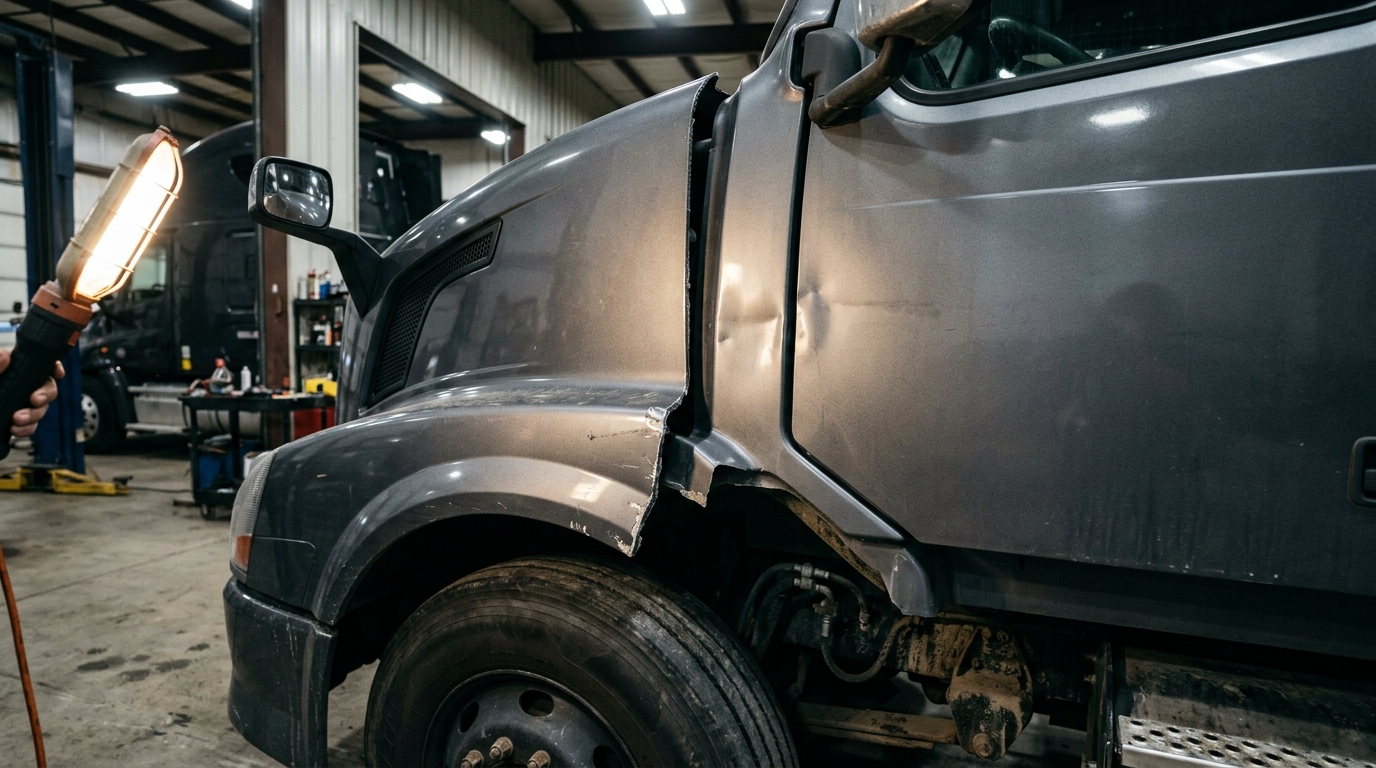
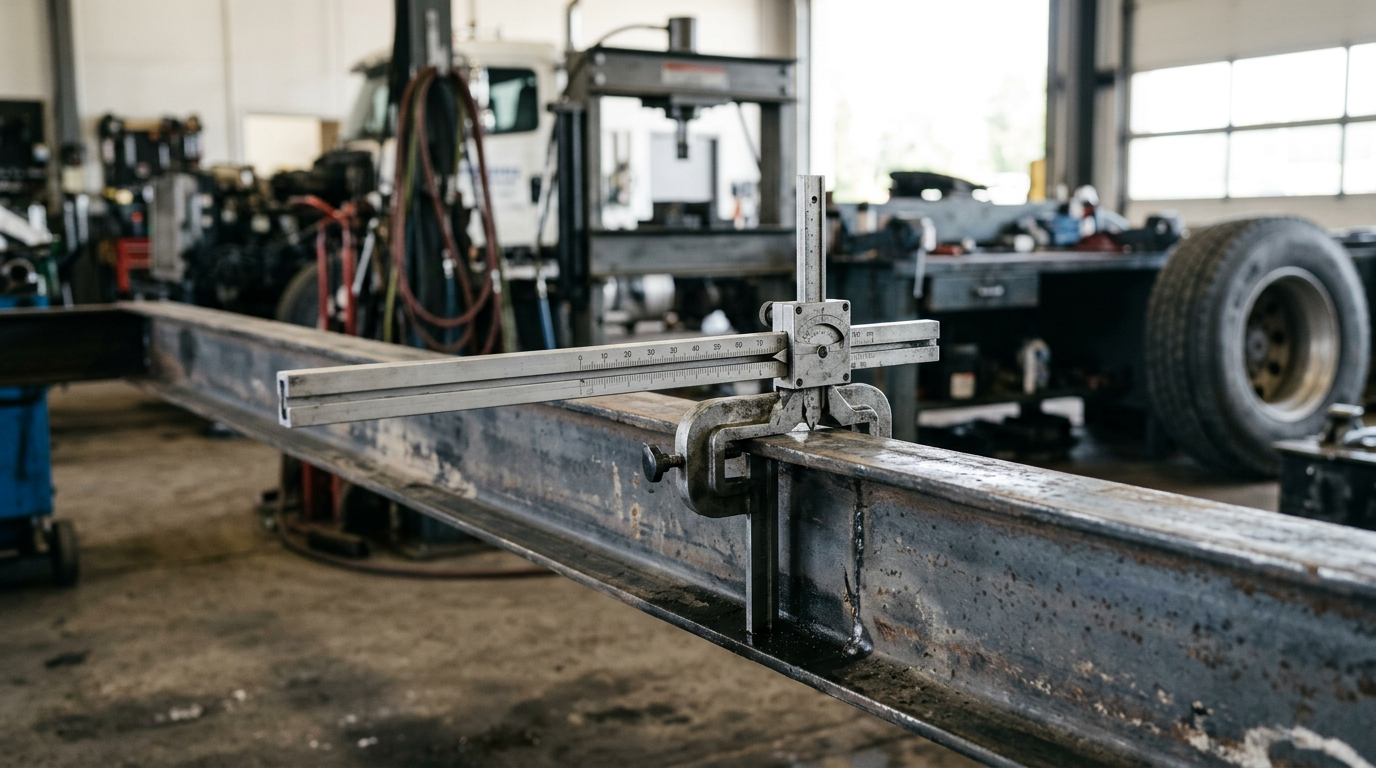
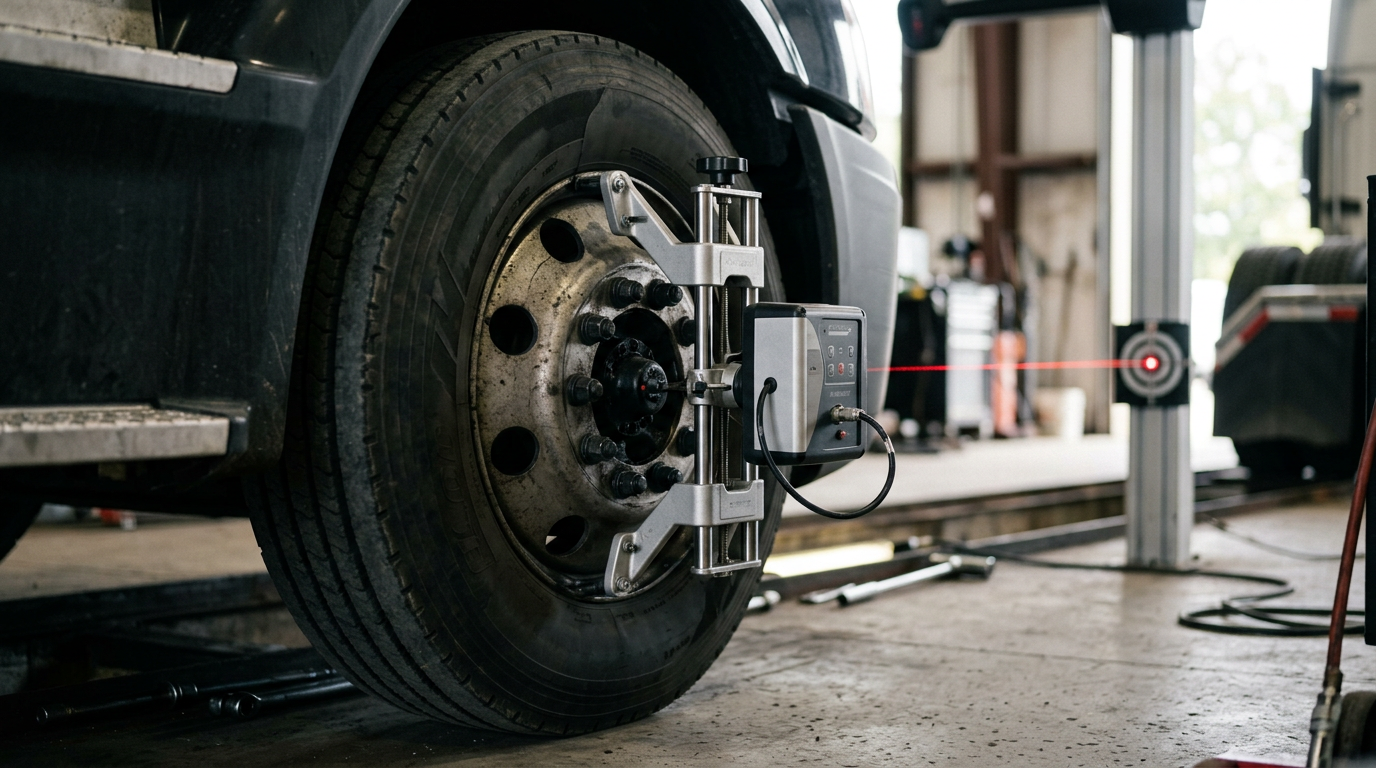
The estimator records the truck, the impact areas and visible damage. Photos and measurements help establish what moved and which systems may require closer inspection. Damage to a hood, bumper or fairing can be obvious, while problems at mounts, frame rails or alignment points may be less visible.
Share everything known about the incident and any change in how the truck drives. Pulling, vibration, a shifted steering wheel or a door that closes differently can guide the inspection. Previous damage should also be identified so it is not confused with the current loss.
Why estimates can change
Exterior panels sometimes conceal damaged brackets, fasteners and supports. A complete initial estimate aims to identify the repair accurately, but hidden damage may appear when the truck is disassembled. When that happens, the shop documents the finding and updates the repair plan before continuing.
Parts availability also affects scheduling. Commercial trucks vary by model, body configuration and installed equipment, so correct identification matters. An estimate should distinguish repair operations, replacement parts, refinishing and related frame or alignment work.
Insurance coordination
Truck Collision Services works with all major insurance companies. The shop can provide inspection findings and repair documentation while the insurer reviews coverage under the policy. Coverage decisions remain with the insurer, but clear documentation helps the claim and repair move through the required steps.
What happens after approval
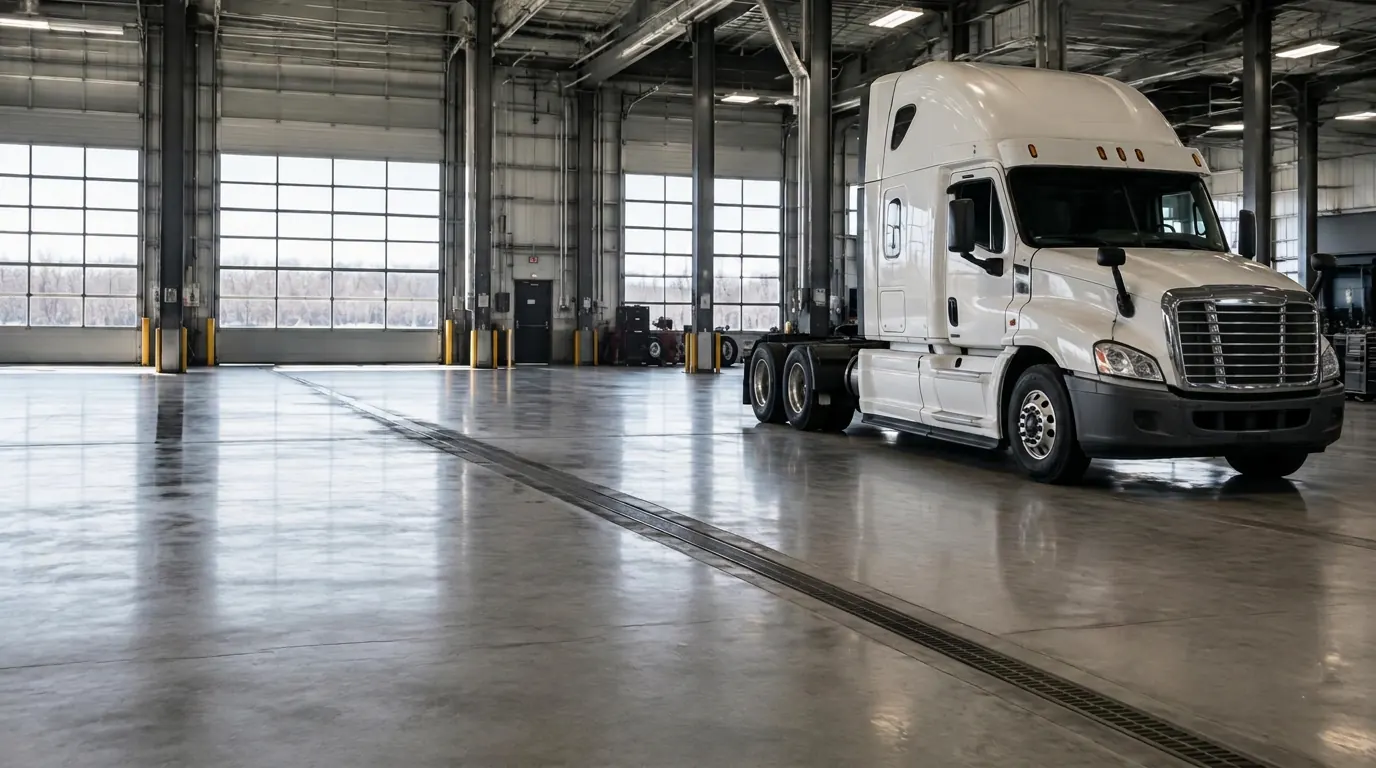
Once the estimate is approved, parts are ordered and the repair is scheduled. Structural work, body repair, paint, reassembly and final inspection are completed in-house at the Lansing facility. That single-shop approach helps maintain responsibility for quality and timing from arrival through delivery.
Bring claim information and any incident photos when available. Most importantly, ask questions until the repair plan is clear. Contact the shop for an estimate or review commercial truck body work services.
Written by