On this page
A working truck can carry cosmetic scars for years, but some damage should not be treated as cosmetic. A shifted hood, changing door gap, unusual steering feel or fresh tire wear may point to structural or alignment problems. Early inspection helps separate a surface repair from damage that can affect safety, drivability and operating cost.
Changes you can see
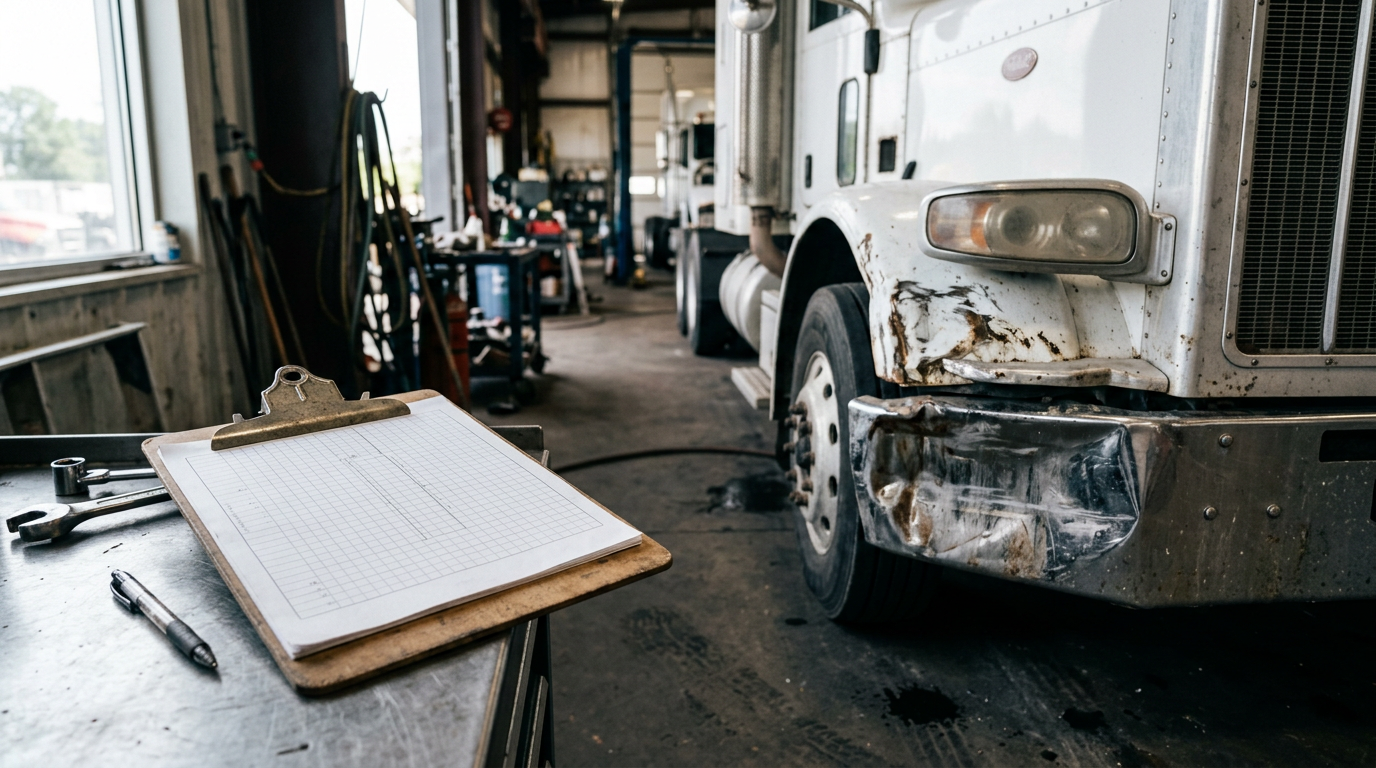
Walk around the truck in good daylight and compare both sides. Look for a hood that no longer sits evenly, a bumper that has moved, cracked paint near a mounting point, or a cab panel that rubs when a door opens. New gaps around the hood, sleeper or fairings can show that attachment points moved during an impact.
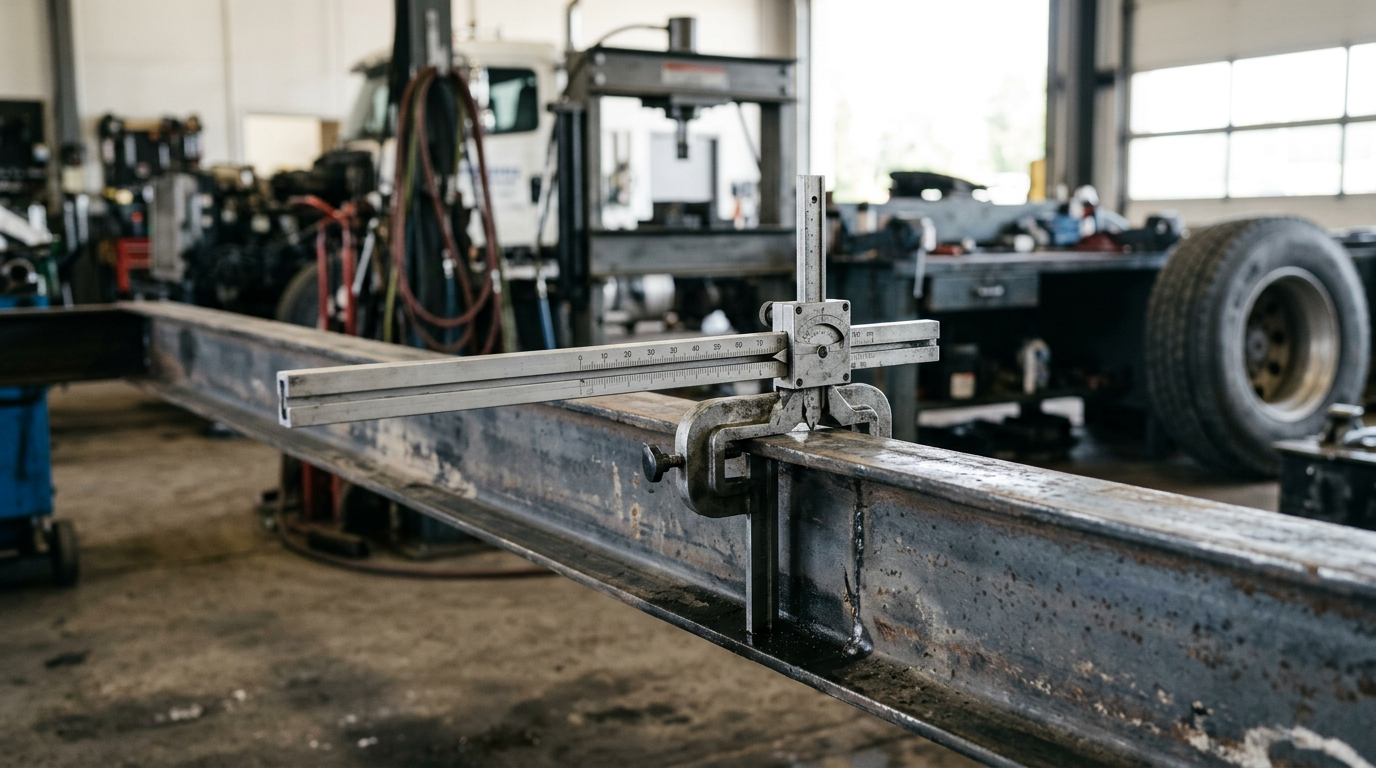
Also inspect the trailer connection area and visible frame rails. A fresh scrape alone does not prove structural damage, but a bend, ripple, cracked coating or fastener that has shifted deserves professional measurement. Do not crawl beneath an unsupported vehicle.
Changes you can feel on the road
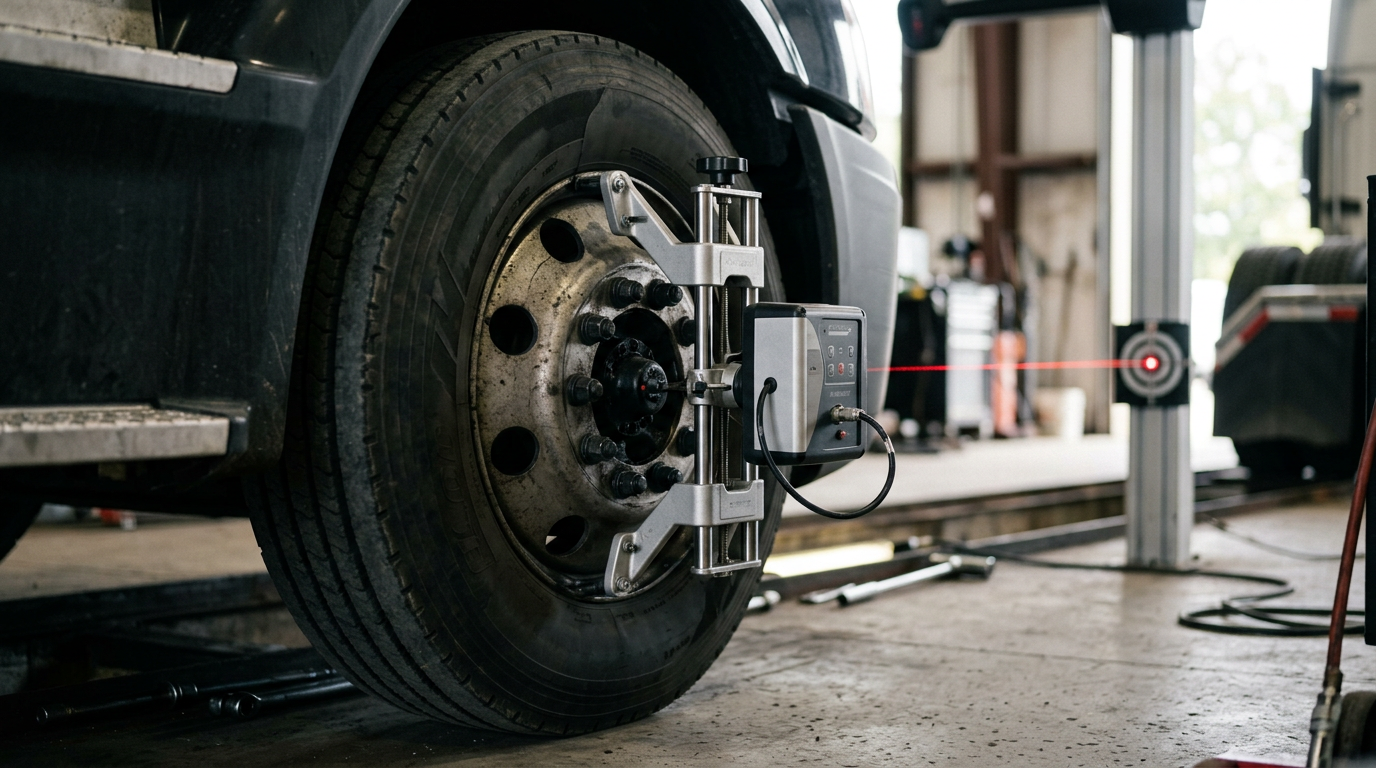
A truck that pulls, wanders or needs a different steering-wheel position after a collision should be checked. Vibration, dog-tracking and uneven tire wear can also be related to alignment or frame changes. These symptoms may have several causes, so measurement is more useful than guessing or replacing parts one at a time.
When to stop driving
Do not continue operating a truck when bodywork interferes with steering, tires, lights, mirrors, doors, the fifth wheel or other safety equipment. Fluid leaks, loose panels and exposed sharp edges also need immediate attention. If safe operation is uncertain, arrange transport rather than driving the vehicle to the shop.
What an inspection includes
At Truck Collision Services, the process begins with an inspection and estimate. We document visible damage, identify areas that need disassembly or measurement and explain the likely repair path. If an insurance claim is involved, we work with major insurance companies while keeping the repair in our facility.
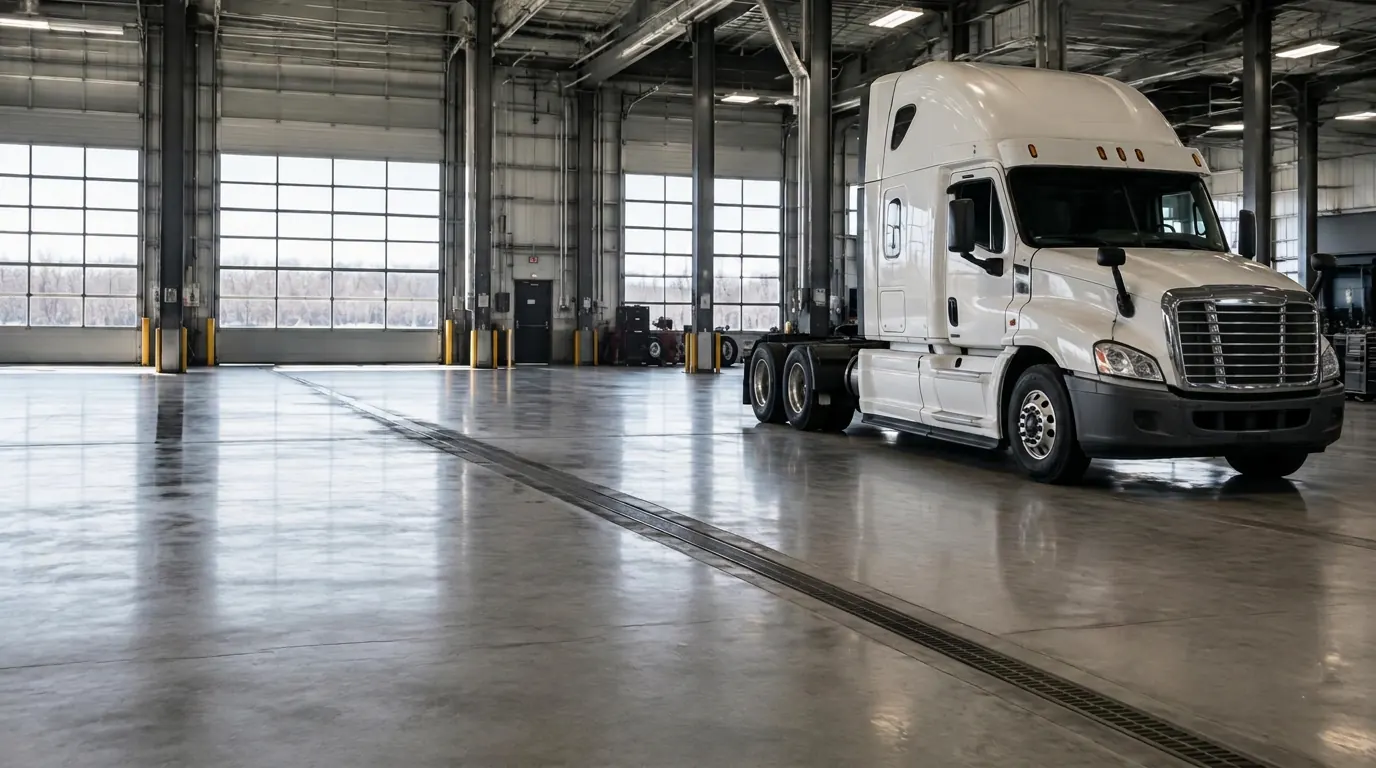
Body, frame, alignment, paint and reassembly can all affect one another. Keeping those stages under one roof helps the team follow the damage through the entire repair instead of treating each symptom separately. Learn about our collision repair process or call (517) 886-4510 to arrange an estimate.
Written by