On this page
A commercial truck restoration succeeds when the finished appearance is supported by sound preparation. Before parts are removed or paint is stripped, the owner and shop should agree on the truck’s intended use, the condition to be achieved and which systems are included. A clear plan keeps decisions consistent as hidden conditions are uncovered.
Start with the goal
A road-working restoration has different priorities from a display build. Decide whether the work focuses on preserving the truck, returning it to dependable service, updating its appearance or completing a comprehensive rebuild. Existing modifications and hard-to-source parts should be documented during the initial inspection.
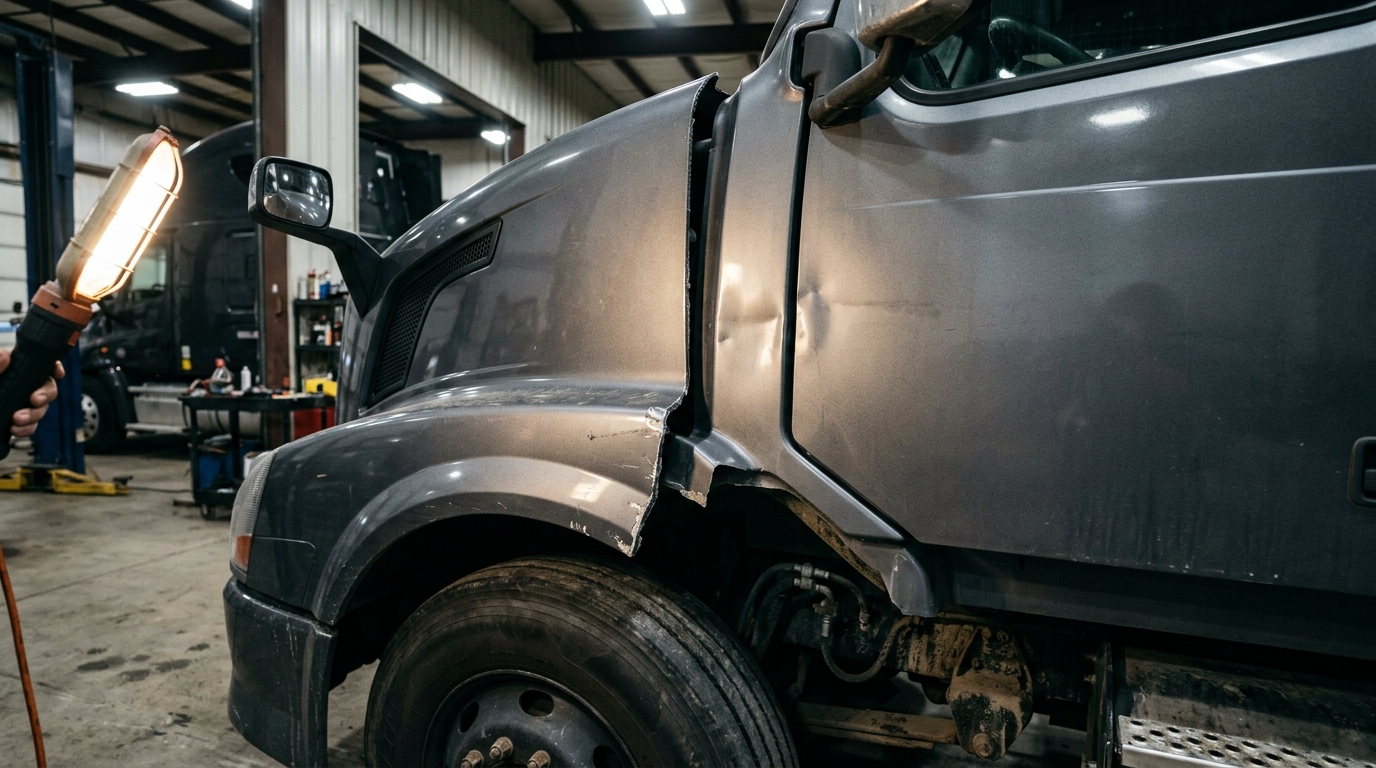
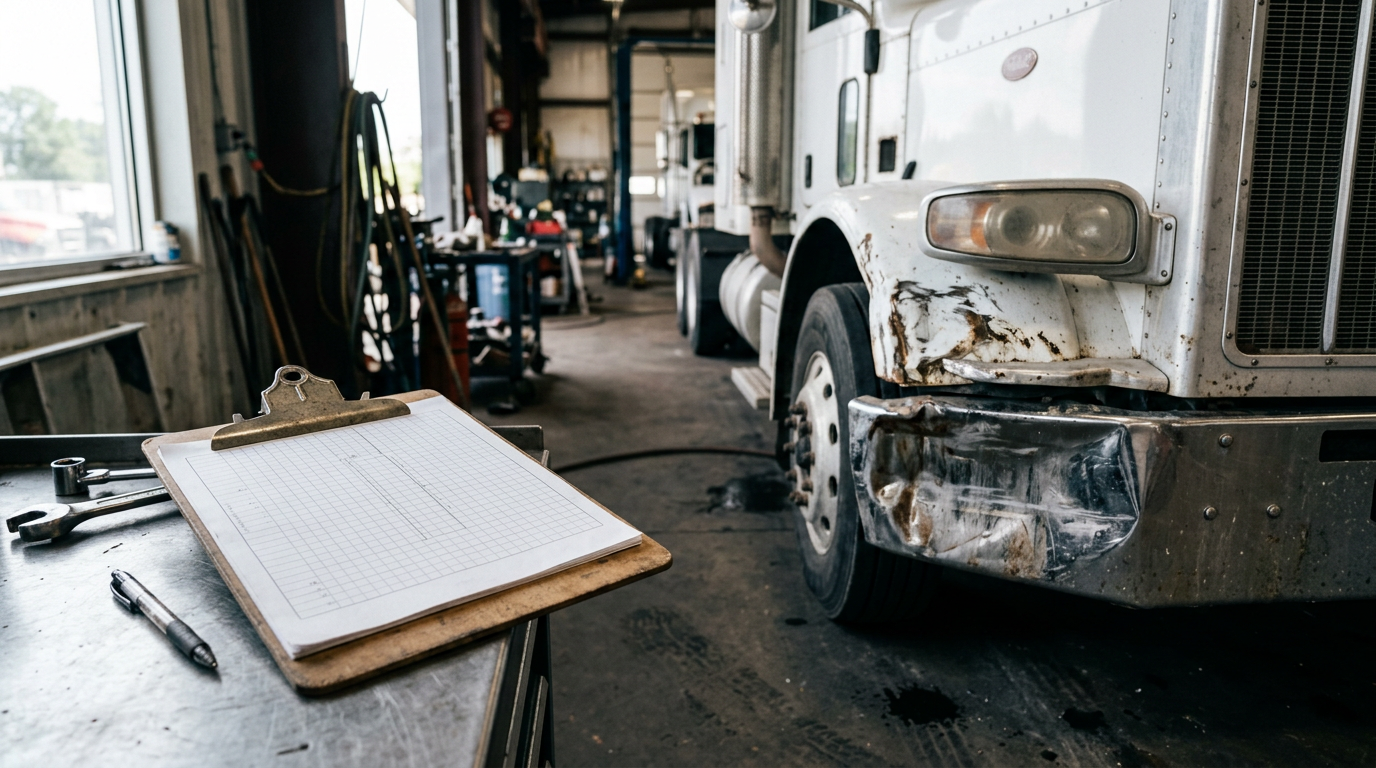
Photograph the truck from every side and capture panel fit, trim placement and areas of corrosion. These records support reassembly and give the estimate a clearer starting point.
Inspect before stripping
Old paint can conceal previous filler, repairs and corrosion. Media blasting or mechanical surface preparation may reveal conditions that could not be confirmed from the exterior. The repair plan may need to change when bare material is visible, so owners should understand how additional findings will be documented and approved.
Coordinate body, frame and paint
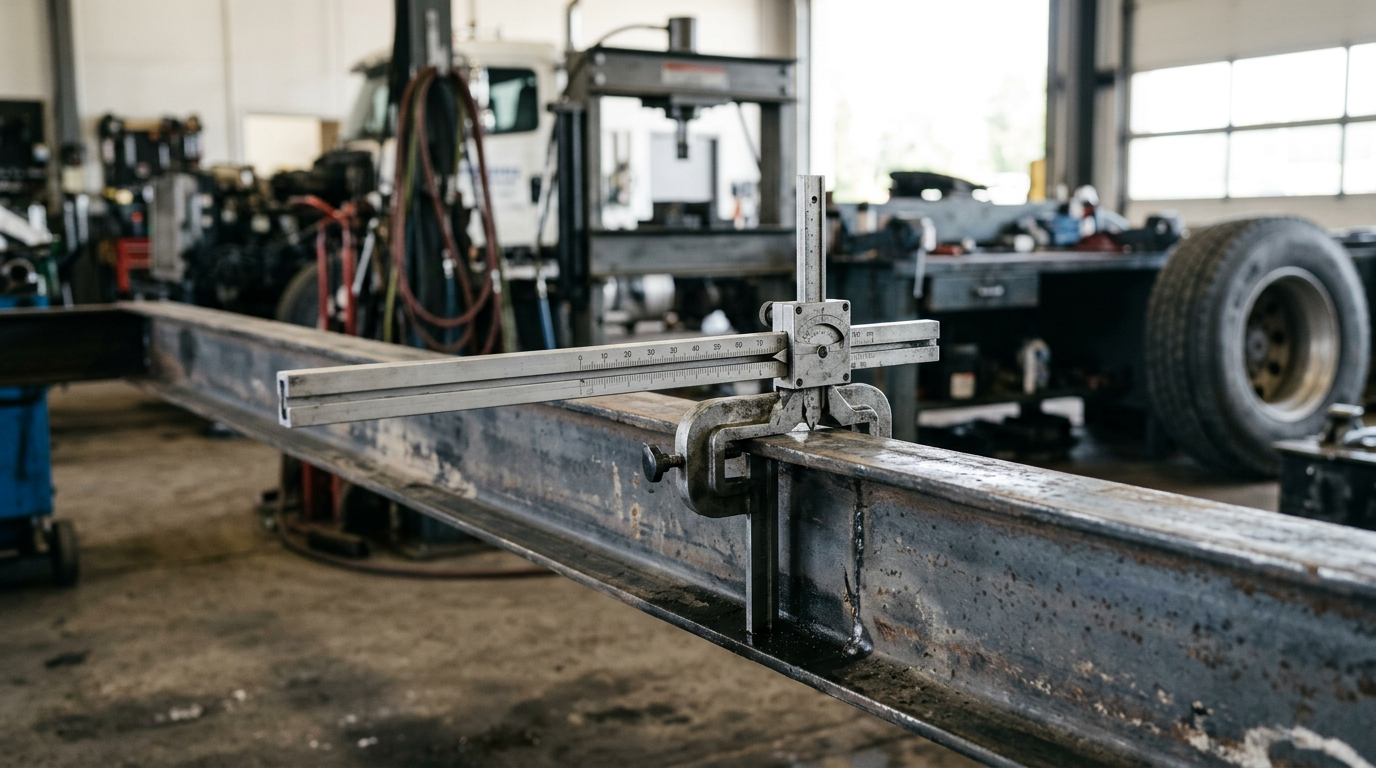
Panel fit depends on the structure beneath it. Frame condition and mounting points should be addressed before final body alignment and finish work. Surface preparation, metal repair, primer and refinishing then follow in a controlled order.
Truck Collision Services handles restoration, media blasting, body, frame and paint work in-house. Owner Ray Chatfield began painting trucks in 1981 and opened Truck Collision Services in 1990. The Lansing facility later expanded to keep frame and alignment work with the rest of the repair.
Parts and scheduling
Commercial truck parts can vary by model year, configuration and prior modification. Identifying parts early reduces avoidable interruptions. Some original components may be repairable, while others may require replacement; that decision belongs in the approved plan.
Protect the finished work
After reassembly, inspect panel gaps, hardware, lights and finished surfaces. Follow the shop’s care guidance for fresh coatings and address chips or new corrosion promptly. A restoration is best preserved through regular washing, inspection and maintenance.
Review truck restoration services and media blasting, then call (517) 886-4510 to discuss the truck and arrange an estimate.
Written by